

Quick Answer
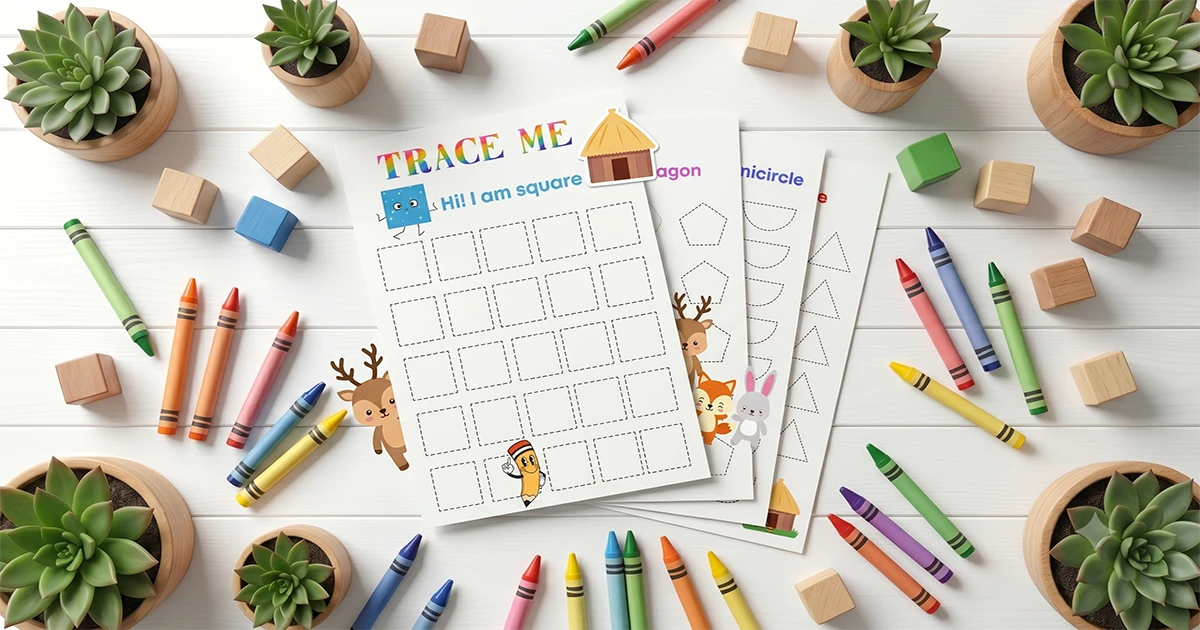
Printable worksheets for 3 year olds can support early pencil control when the pages stay simple, short, and easy to finish. Start with thick lines, gentle curves, and big shapes before moving toward letters or numbers. At this age, the goal is hand control, confidence, and playful practice, not perfect tracing.
Table of Contents
- Why Pencil Control Matters at Age 3
- What Should a 3 Year Old Trace First?
- How to Use Printable Worksheets Without Pressure
- Simple Activities That Support Pencil Control
- When to Move From Lines to Shapes
- Printable Worksheet Links for Extra Practice
- Final Thoughts
- Frequently Asked Questions
Why Pencil Control Matters at Age 3
Three is usually the age when children begin making more controlled marks on paper. They may scribble, draw circles, follow a short path, or try to copy a simple shape. Some children enjoy crayons right away, while others need more time with coloring, playdough, blocks, stickers, and other hands-on activities first.
Small hand movements slowly build control in the fingers, wrist, and hand. That control later supports writing, coloring, cutting, buttoning, and many everyday tasks. Short printable worksheets for 3 year olds can be useful when they feel more like a small activity than a school task.
The best starting point is not alphabet writing. Most 3 year olds are not ready to sit with long letter worksheets. Simple pencil control worksheets for toddlers, line tracing pages, and shape tracing worksheets are easier because they focus on movement first.
You can also support this stage with our tracing worksheets for early learning guide if you want a wider look at why tracing comes before formal handwriting.
What Should a 3 Year Old Trace First?
A 3 year old should usually begin with large, clear tracing paths. The page should not feel crowded. Big lines, wide spaces, and simple shapes make it easier for little hands to stay involved without getting frustrated.
Start with straight lines first. Vertical lines, horizontal lines, and short paths give children a simple way to move the crayon with control. Once straight lines feel easier, gentle curves, waves, and zigzag paths can come next.
Shape tracing can come after basic lines. Big circles, squares, and triangles help children notice shape outlines while practicing hand movement. The goal is not perfect shape formation. Wobbly lines are completely normal at this age.
Simple tracing order for 3 year olds
- Straight lines
- Short paths
- Curved lines
- Wavy lines
- Zigzag lines
- Big circles
- Squares
- Triangles
- Simple pattern paths
This order keeps practice light. It also helps children move from free scribbling toward more controlled drawing without forcing early handwriting too soon.
How to Use Printable Worksheets Without Pressure
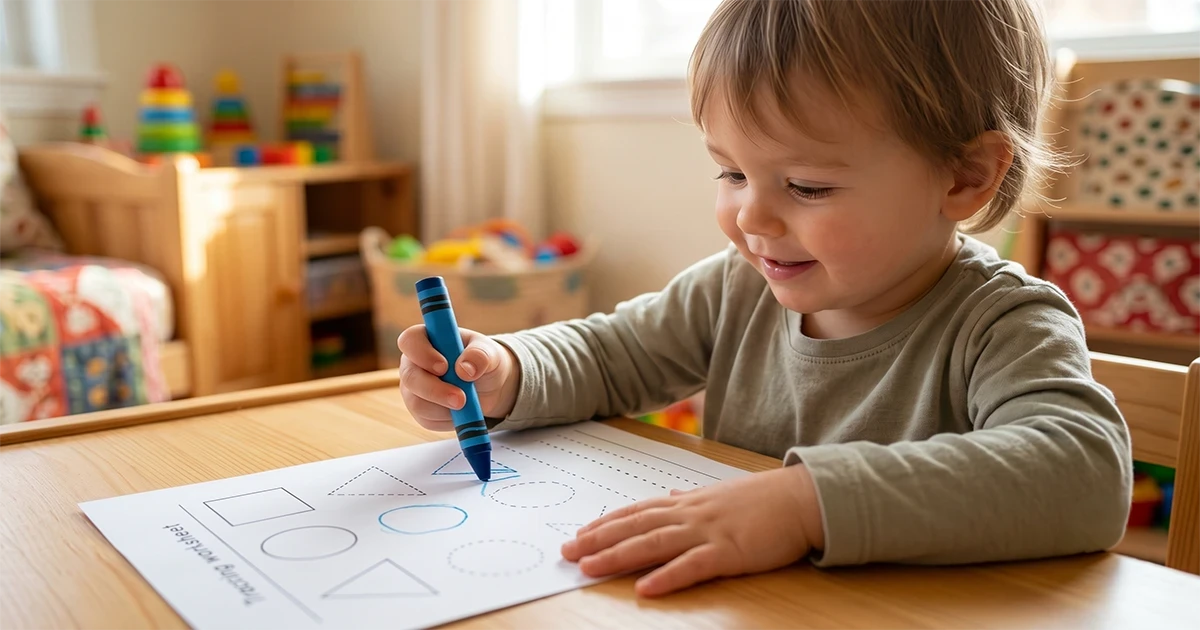
Simple things you can say during tracing
- “Let’s help the bunny reach the carrot.”
- “Can your crayon follow this road?”
- “Let’s trace one big circle together.”
- “Your line went all the way across.”
Small comments like these keep the activity playful. They also help the child notice effort instead of feeling judged by neatness.
Simple Activities That Support Pencil Control
Printable worksheets work best when they are mixed with hands on play. Young children build fine motor strength in many ways, not only through tracing.
Playdough helps children squeeze, roll, pinch, and press. Blocks help with finger control and hand strength. Stickers help children peel, place, and press small objects. Coloring on large paper helps them move the hand freely before trying smaller paths.
Easy home activities for pencil control
- Rolling playdough snakes
- Pressing stickers into a picture
- Picking up pom poms with fingers
- Coloring large shapes
- Drawing with chalk
- Finger tracing lines in sand or rice
- Building towers with blocks
- Tearing paper for a collage
These activities make the hand stronger in a natural way. Then, when your child uses printable worksheets, the pencil control practice feels easier.
You can pair this blog with the printable worksheets for preschool guide when your child is ready for broader early learning activities.
When to Move From Lines to Shapes
Straight lines should come first because they are easier to understand visually. A child can move the crayon from top to bottom, side to side, or across a short path without needing too much control.
Shapes need a little more hand planning. A circle needs a rounded movement. A square needs stopping and turning. A triangle needs angled lines. That is why shape tracing printables are usually better after your child has tried basic line tracing.
Signs your child may be ready for shape tracing
- They can hold a crayon for a short time.
- They enjoy making marks on paper.
- They can follow a thick path for a few seconds.
- They try drawing lines, loops, or circles.
- They enjoy short table activities.
Stop if your child starts resisting. Early learning should feel steady and light. A child who enjoys one page today is more likely to try another page tomorrow.
Printable Worksheet Links for Extra Practice
Short, ready to print pages can save time when you want simple activities without making everything from scratch.
Start with line tracing worksheets when your child needs beginner pencil control practice. These pages are useful for straight lines, paths, and early hand movement.
Move to shapes tracing worksheets when your child is ready for circles, squares, triangles, and simple shape outlines.
Begin with one line tracing page when your child is still learning how to move a crayon with control. Shape tracing can come later when straight and curved paths feel easier. This keeps the practice step by step instead of making the page feel too busy.
Keep the practice short and simple. One tracing page is enough on many days, especially when your child is still getting comfortable with crayons, markers, and pencil control.
Final Thoughts
Printable worksheets for 3 year olds should feel simple, light, and easy to finish. Big lines, open spaces, and clear shapes are better than crowded pages or long handwriting tasks.
Every wobbly line still counts. Every scribble builds movement. Every small attempt helps your child become more comfortable with crayons, markers, and pencil control.
Start with one short activity, keep the mood relaxed, and let your child stop before the practice feels tiring. That steady, pressure free approach can make early tracing feel much more natural at home.
FAQ
Start with chunky crayons, washable markers, and large paper before using structured worksheets. Once your child enjoys making marks, introduce short printable worksheets for 3 year olds with thick lines, simple paths, and big shapes. Keep each activity around five to ten minutes.
Most 3 year olds can start with straight lines, short paths, gentle curves, and large shapes. Circles, squares, and triangles are better than small letters at this stage because they focus on hand movement first.
Some children may enjoy large letter tracing, but letters do not need to be the first step. Line tracing, shape tracing, coloring, and free drawing usually make a better starting point because they build control before formal handwriting.
One short worksheet is enough for many 3 year olds. Some children may enjoy two small pages, but quality matters more than quantity. Stop before your child gets tired or frustrated.